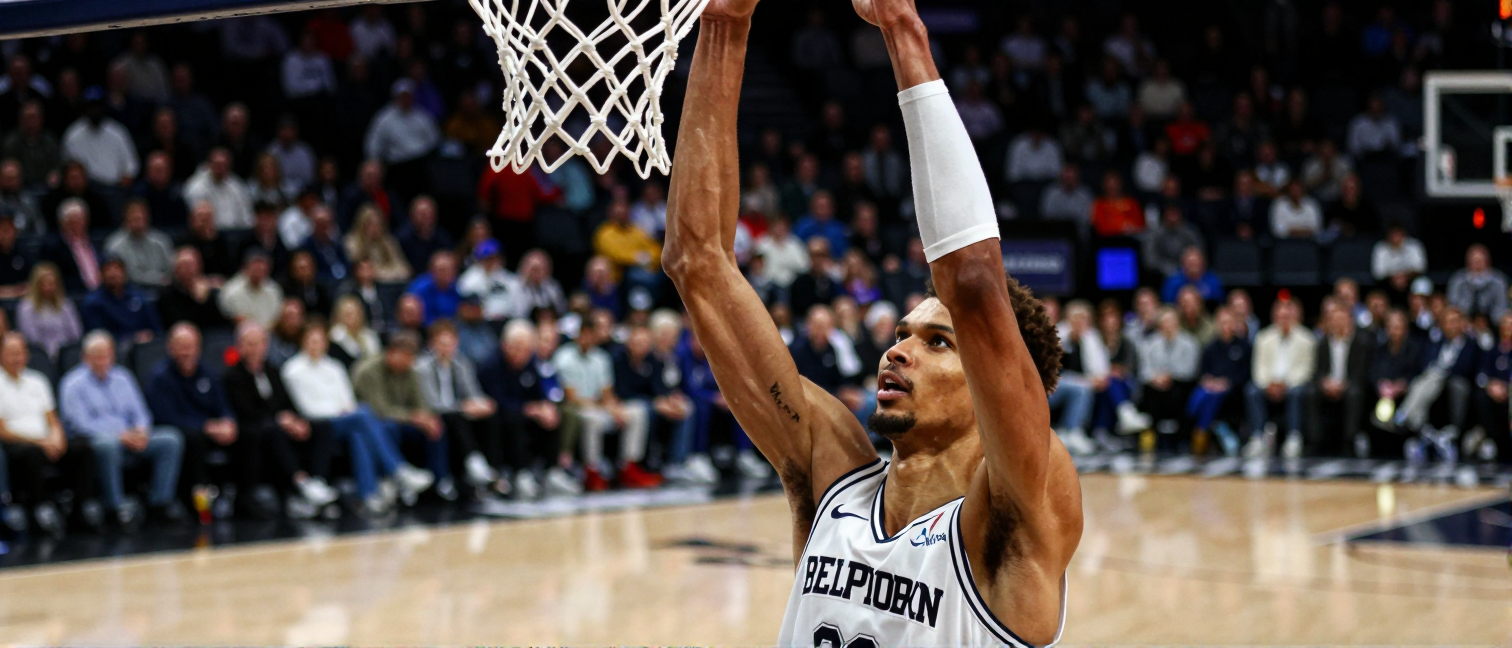
Victor Wembanyama’s debut Finals appearance in 2026 has pushed NBA teams to rebuild around larger, more versatile frontcourts, a shift sparked by his 2023 first‑overall selection.
How is Victor Wembanyama changing roster building?
Since the Spurs chose him first overall in the 2023 NBA Draft, the 22‑year‑old French phenom has become the benchmark for size and skill. His ability to protect the rim, stretch the floor and handle the ball forces rivals to chase comparable pieces. That urgency showed up this summer when the Los Angeles Lakers handed Walker Kessler a four‑year, $130 million contract, one of the richest deals for a center without an All‑Star nod.
Which teams are reacting and why?
The Lakers didn’t stop at cash. They added two unprotected first‑round picks and two pick‑swap rights from the Utah Jazz just to secure the 24‑year‑old. Atlanta followed, signing Jock Landale to a $14 million one‑year deal while also drafting Zuby Ejiofor despite having Onyeka Okongwu on the roster. Brooklyn’s Mo Wagner earned $19 million over two years even after averaging just 11.9 minutes per game with Orlando last season. Golden State, after a two‑year, $40 million pact with Kristaps Porzingis, shows that even established contenders are hedging against Wembanyama’s impact.
What does this mean for the Spurs?
San Antonio isn’t just watching the market; it’s already loading up on complementary size. On opening night of the 2026 NBA Draft the Spurs selected Jayden Quaintaince and Tarris Reed Jr., both physical frontcourt prospects designed to sit beside Wembanyama in a modern double‑big. The move mirrors the early‑2000s era when teams paired dominant bigs like Duncan and Robinson, but now the emphasis is on mobility and shooting range.
How might the league evolve?
Expect a cascade of similar contracts as franchises scramble for 7‑foot‑plus talent. Memphis poured $30 million into Quintin Post for a three‑year deal, adding another 7‑footer to a roster already featuring Zach Edey. The trend suggests that traditional stretch‑four concepts will fade, replaced by lineups that can defend the paint while still spacing the floor. Players like Draymond Green (6‑ft‑6) or P.J. Tucker (6‑ft‑5) will find fewer five‑spot opportunities as size becomes the new currency.
What’s next for Victor Wembanyama?
If the Spurs’ double‑big experiment clicks, Wembanyama could redefine the league’s strategic core. A successful partnership with Quaintaince and Reed would give San Antonio a rare blend of rim protection and floor‑spacing that other teams will scramble to emulate. Until then, every offseason will likely feature another splashy frontcourt deal, all tracing back to the French rookie who forced the NBA to think bigger.